Sage From Stephanie
Title: Mastering the Keys: The Importance of Sectional Practice in Piano
Introduction:
Playing the piano is a beautiful art form that requires dedication, discipline, and practice. As aspiring pianists, it’s crucial to understand the significance of practicing our pieces in sections, rather than always starting from the beginning. In this blog, we will delve into the reasons why sectional practice is essential for honing our piano skills and achieving mastery.
- Building Muscle Memory:
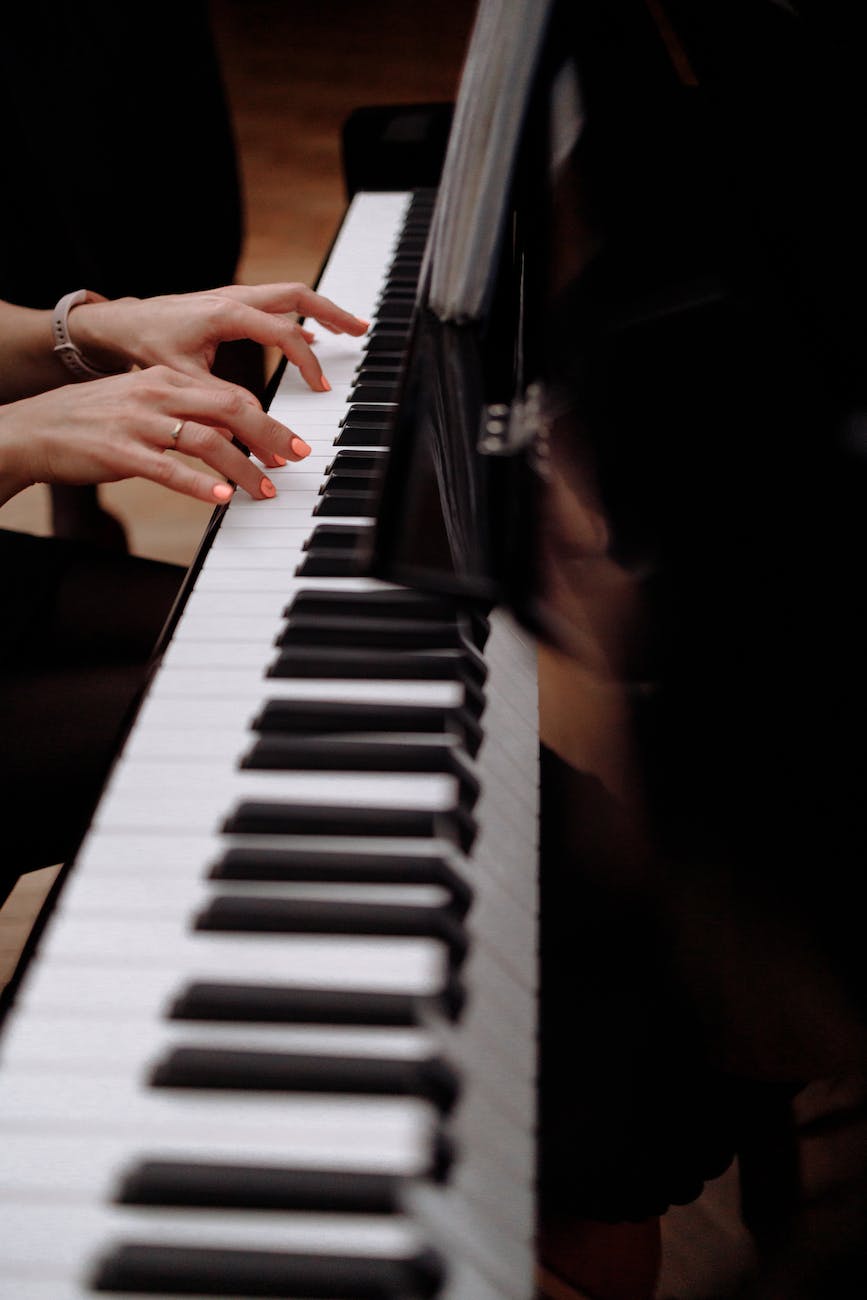
When we practice a piece in sections, we allow our fingers to become familiar with the specific patterns, fingerings, and movements required in each section. By isolating challenging parts and repeating them, we enhance our muscle memory and train our fingers to perform those passages effortlessly. This approach ensures that each section becomes ingrained in our fingers, leading to smoother transitions and overall better performance.
- Focusing on Difficult Passages:
Every piece has its fair share of challenging passages that require extra attention. By practicing in sections, we can dedicate more time to these tricky parts. Breaking them down into smaller portions allows us to identify the specific technical or musical issues we need to address. With focused practice, we can work on improving our technique, accuracy, and expression in these challenging sections, gradually conquering them with precision.
- Enhancing Problem-Solving Skills:
Sectional practice encourages us to analyze our pieces more deeply, helping us become better problem solvers. By practicing in small sections, we can identify and isolate specific difficulties, such as complex rhythms, challenging fingerings, or intricate hand coordination. This analytical approach enables us to find effective solutions and develop strategies that ultimately lead to mastering the entire piece.
- Maintaining Consistency:
Practicing in sections helps maintain consistency throughout the entire performance. When we always start from the beginning, we tend to focus more on the beginning sections, neglecting the later parts. By working on sections individually, we ensure that each part receives the attention it deserves, resulting in a more balanced and cohesive performance. This approach also helps us prevent memory lapses and build confidence in our ability to perform the piece flawlessly.
- Boosting Motivation and Overcoming Plateaus:
- Long and complex pieces can be overwhelming, especially when starting from the beginning every time. Sectional practice breaks down the piece into manageable parts, making it easier to track progress and celebrate small victories along the way. It boosts motivation by providing a sense of accomplishment as we master each section, propelling us forward and helping us overcome plateaus.
Conclusion:
Incorporating sectional practice into our piano routine is a wise decision for any aspiring pianist. By breaking down our pieces into smaller sections, we build muscle memory, focus on challenging passages, enhance problem-solving skills, maintain consistency, and boost motivation. These benefits ultimately contribute to our overall growth as pianists, helping us achieve mastery and bring out the true beauty of the music we play. So let’s embrace sectional practice and unlock our full potential at the keys!
 Miss Stephanie The Music Teacher
Leave a comment